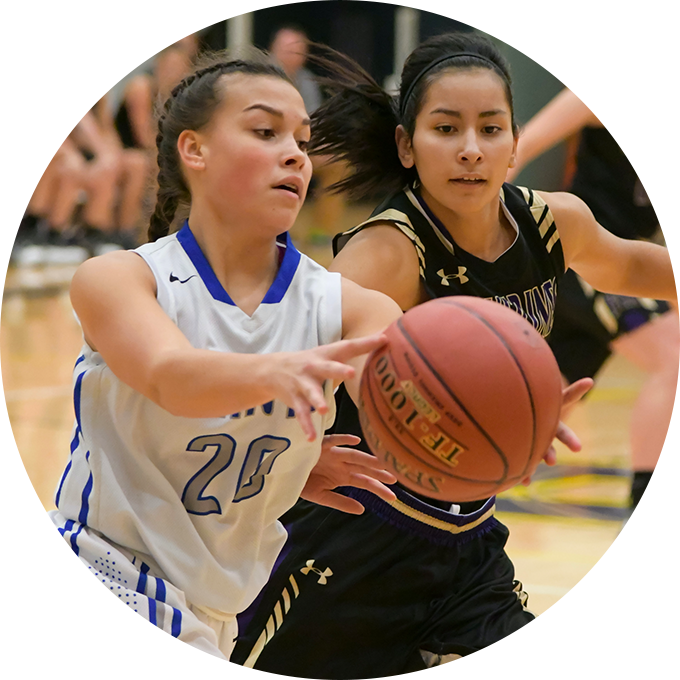
Grassroots basketball has changed dramatically over the last 15–20 years. As someone who played club basketball in 2008 and now works closely with high school student-athletes and families, I’ve seen both sides of the evolution—what’s improved, what’s complicated, and what still needs recalibration.
Then vs. Now: Social Media Changed the Game
When I was playing club basketball in 2008, exposure looked very different. Recruiting happened in gyms, through word of mouth, and via trusted relationships between high school coaches, AAU programs, and college staff. If you were good, people eventually found you—but patience and development mattered.
Today, social media has completely shifted that landscape. Platforms like Instagram, Twitter/X, and YouTube have opened doors for athletes who may have been overlooked in the past. Highlights travel faster, visibility is wider, and athletes can tell their own stories.
But there’s a flip side. The pressure to perform for the camera, the comparison culture, and the illusion that views equal offers can distort reality. Visibility is not the same as evaluation—and hype doesn’t always translate to long-term success.
The Numbers Don’t Lie
Statistically, only a small percentage of high school basketball players will compete at so-called “high-tier” Division I programs. That hasn’t changed, even though social media sometimes makes it feel like everyone is headed there.
What hasn’t been emphasized enough is that the majority of college basketball opportunities exist at other levels—mid-major Division I, Division II, Division III, NAIA, and junior colleges. These levels offer meaningful competition, strong development, academic support, and pathways to both professional basketball and life after the game.
The goal shouldn’t be chasing the rarest outcome. It should be finding the right one.
Who Should Families Be Listening To?
One of the most challenging parts of today’s grassroots space is filtering advice. Too often, families hear guarantees—offers promised, levels predetermined, timelines rushed. The truth is, no AAU coach or trainer can guarantee a scholarship or a specific division.
The voices that matter most are the ones focused on development, honesty, and fit—people who understand recruiting as a process, not a pitch. If someone is selling certainty in an uncertain system, that’s a red flag.
The Bigger Picture
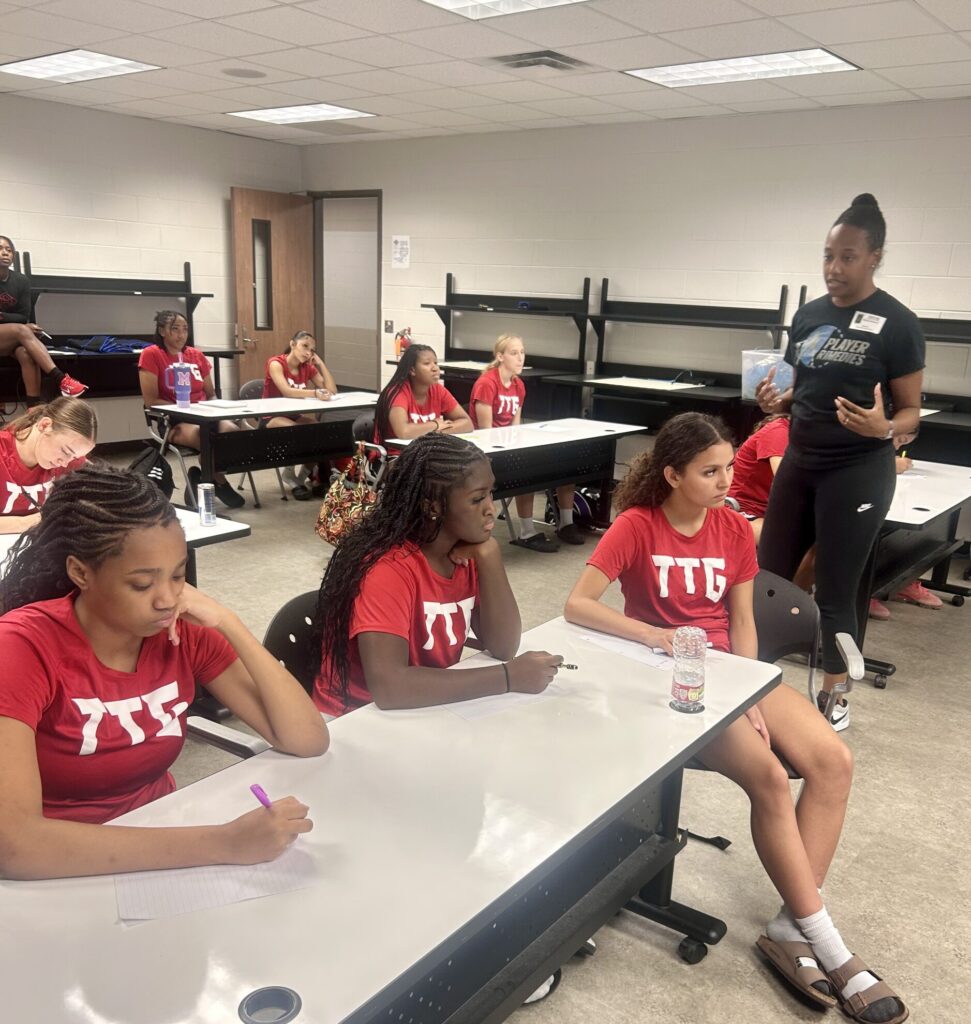
At Player Rimedies, I emphasize a different approach: academic and athletic best fit, long-term development, and sustainable success. That perspective is shaped by my experience in college counseling and student advising, where outcomes are driven by preparation, alignment, and informed decision-making—not hype or shortcuts.
To further support families, Player Rimedies is guided by a growing board of advisors who bring expertise across education, athletics, and player development. This expanded network allows us to provide broader resources, clearer guidance, and more strategic support throughout the recruiting and college transition process.
Grassroots basketball doesn’t need more noise. It needs more clarity, education, and intention—so athletes can thrive not just in recruitment, but in college and life after the final buzzer.